
Easy
timer10 min
Income Tax Basics Quiz
Income tax basics for India, general knowledge level, not advice.
help10 questions
gradingAuto scored
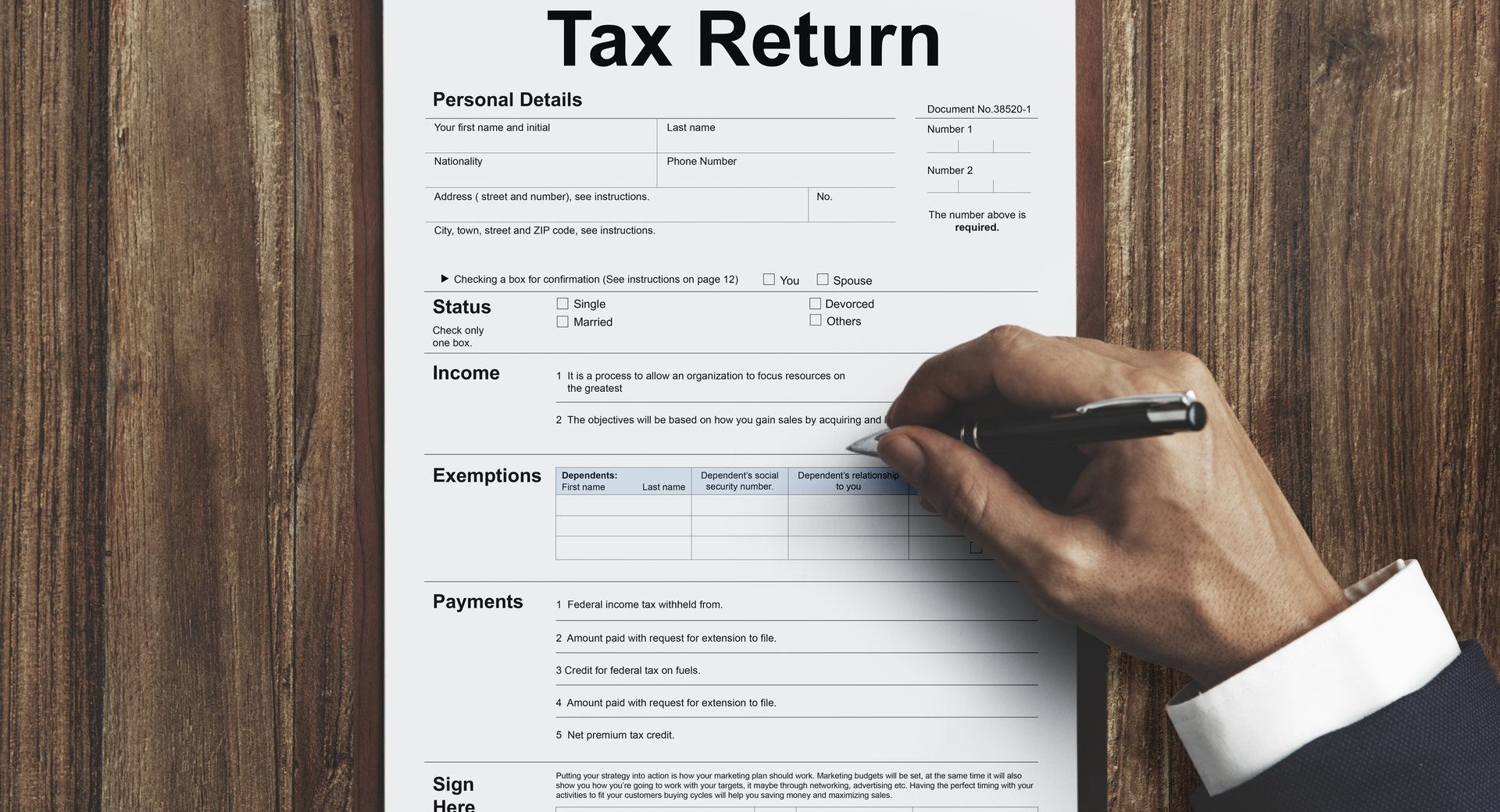
Income tax is a tax you pay to the government on the money you earn in a year. In India the rules are set by the Income Tax Department, and most people deal with it when they get a salary, run a business, earn interest, or sell property. Kn
Pick a set, beat the timer and get scored at once. Then open your answer sheet and check the leaderboard. Every quiz here is a real set you can take.
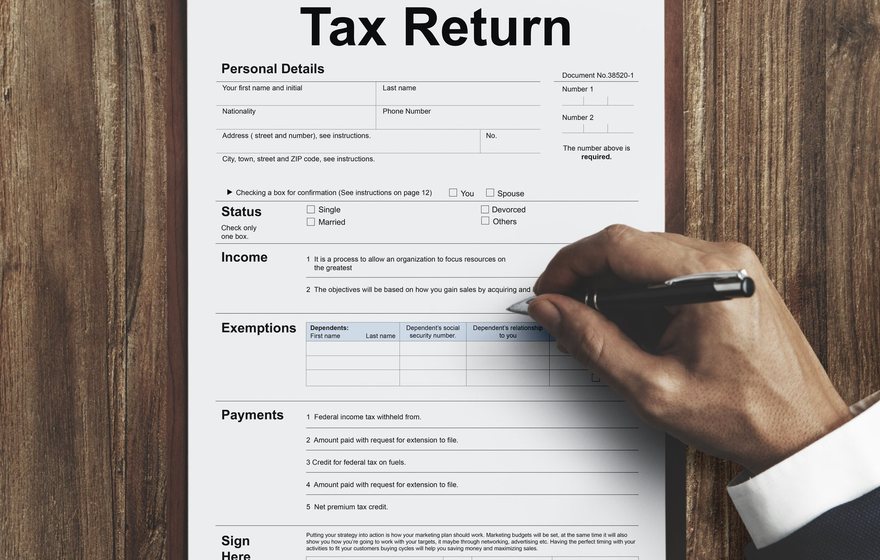
Income tax basics for India, general knowledge level, not advice.

Money basics: saving, investing, budgeting and credit, for everyone.
India's banking regulators, digital payments (UPI/PAN/GST), the Union Budget and core economy terms. 10 questions, about 2 minutes. Great for SSC, Banking and IBPS GK practice.

India's top competitive exams, UPSC, SSC, NEET, JEE, CAT, Banking and Defence: who conducts them, what they unlock, that every aspirant should know.
Read this in plain English, then take the quizzes above. Free to read, no login needed.
Income tax is a tax you pay to the government on the money you earn in a year. In India the rules are set by the Income Tax Department, and most people deal with it when they get a salary, run a business, earn interest, or sell property. Knowing the basics helps you plan your money, claim what you can save, and file your return on time without stress.
This page gives you a simple, India-first picture of how income tax works. It covers who pays, the old and new tax regimes, the slabs, common deductions like 80C, TDS and advance tax, how to file an ITR, and key terms like PAN. Treat this as general knowledge, not personal tax advice. Tax figures change often, so for your own numbers always check the latest on the official portal at incometax.gov.in.
Income tax is a direct tax on the income earned by a person in a financial year. The financial year in India runs from 1 April to 31 March. Income can come from salary, business or profession, house property, capital gains (like selling shares or property), and other sources like bank interest.
Not everyone has to pay. Tax applies once your income crosses a basic exemption limit. If your income is below that limit, you usually pay no tax, though you may still need to file a return in some cases. The exact exemption limit depends on which tax regime you choose, so check the latest on the income tax portal.
Income tax in India is collected by the Central Government through the Income Tax Department. The money funds public services like roads, defence, health, and schemes for citizens.
India now has two systems to calculate your tax, the old regime and the new regime. The new regime is the default. If you want the old regime, you usually have to choose it actively when filing.
The old regime has higher tax rates but lets you claim many deductions and exemptions, like Section 80C investments, health insurance under 80D, house rent allowance (HRA), and home loan benefits. It suits people who invest a lot in tax-saving options.
The new regime has lower tax rates and a higher basic exemption, but it removes most of those deductions. It is simpler and often better for people who do not have many investments to claim. There is no single right answer, you compare your tax under both and pick the lower one. Use the tax calculator on incometax.gov.in to check your own case.
India uses a slab system, which means different parts of your income are taxed at different rates. Lower income is taxed at a lower rate (or nil), and only the income above each level is taxed at the higher rate. So a higher salary does not push your whole income into one high rate.
The two regimes have different slabs. The new regime has wider slabs and a higher tax-free limit, while the old regime has its own slabs along with deductions. Senior citizens have some special benefits under the old regime.
The exact slab amounts and rates can change in the yearly Union Budget, so do not memorise rupee figures as permanent. For the current year always confirm the live slabs on the income tax portal.
Deductions reduce the income on which you are taxed, so they can lower your tax. They are mainly available under the old regime. The new regime allows only a few, so always check which apply to you.
Section 80C is the most popular. It covers investments and payments like PPF, EPF, life insurance premium, ELSS mutual funds, tax-saving fixed deposits, and home loan principal. The combined limit under 80C has long been Rs 1.5 lakh per year, but check the portal for the current limit. Section 80D covers health insurance premiums for yourself and your family, with extra benefit for senior citizen parents.
There are many other sections too, like 80G for donations and deductions on home loan interest. Salaried people also get a standard deduction. Because limits and rules change, treat the amounts here as general and confirm the latest on incometax.gov.in.
TDS means Tax Deducted at Source. Here the payer cuts a part of your income as tax before paying you and deposits it with the government. Common examples are your employer cutting TDS on salary, or a bank cutting TDS on fixed deposit interest. This TDS is then credited against your final tax.
Advance tax is tax you pay during the year, in instalments, instead of all at once at the end. It usually applies if your total tax for the year, after TDS, is above a set amount (commonly Rs 10,000). The instalments fall due across the year, around June, September, December, and March.
You can see all the tax already paid in your name in Form 26AS and the Annual Information Statement (AIS) on the income tax portal. Always check these before filing, so your return matches what the department has on record.
An ITR (Income Tax Return) is the form where you report your income, deductions, and tax for the year to the department. Most people file online through the official portal incometax.gov.in. Salaried individuals with simple income often use ITR-1 (Sahaj), while others use forms like ITR-2 or ITR-4 depending on their income type.
The usual steps are: log in with your PAN, check your pre-filled data against Form 26AS and AIS, choose your tax regime, fill in income and deductions, pay any tax due, submit, and then verify the return (commonly using Aadhaar OTP). Filing is not complete until you verify it.
Keep an eye on the due date. For many salaried taxpayers it is around 31 July after the financial year ends, but dates can differ by taxpayer type and can be extended, so confirm the current deadline on the portal. Filing late can mean a penalty and loss of some benefits.
Basic income tax awareness is useful well beyond filing your own return. It helps in banking and finance jobs, where staff deal with TDS on deposits, PAN rules, and customer tax queries every day. It comes up in general awareness and current affairs sections of many competitive exams, including banking (IBPS, SBI), SSC, and other government tests, especially around Budget time when slabs and regimes change. It is also handy in commerce and accountancy studies, in small business, and in everyday money decisions like choosing tax-saving investments or understanding your salary slip. Knowing terms like PAN, TDS, ITR, and the two regimes gives you a strong, practical base.

Extra practice for your exam, auto scored with a leaderboard.
Quiz on the key central government financial schemes, Jan Dhan, Mudra, PM Kisan, Atal Pension and Stand Up India. Built for bank and SSC exam aspirants.

India's top government exams, career paths and welfare schemes, SSC, IBPS, RRB, UPSC, PM-KISAN, MGNREGA and more.
Teach a batch? Make your own quiz on Quizzory in minutes. Add MCQ, short answer or long answer questions, set a timer that auto submits, and share it with one WhatsApp link. MCQs are scored automatically. Every student sees a percent score and an answer sheet, and a leaderboard ranks the batch by score then speed. You sign in with a free SurveyHeart account to create. Students need no login to attempt.
addCreate a QuizYes, the quiz is completely free to attempt. There are no charges to attempt and test what you know about income tax basics.
No, you do not need any login or account to attempt the quiz. You only need a free SurveyHeart account if you want to create your own quiz.
The questions are multiple choice (MCQs) and are scored automatically as soon as you answer. There is no negative marking, so a wrong answer does not cut your score.
The leaderboard is not live. It updates when you refresh the page, so refresh to see the latest rankings after you or others finish.
Yes, you can share it in one tap on WhatsApp. It is an easy way to challenge friends and classmates to beat your score.
Yes. To create a quiz you just need a free SurveyHeart account. Once signed in you can build your own MCQ quiz and share the link with anyone, no login needed for them to attempt it.